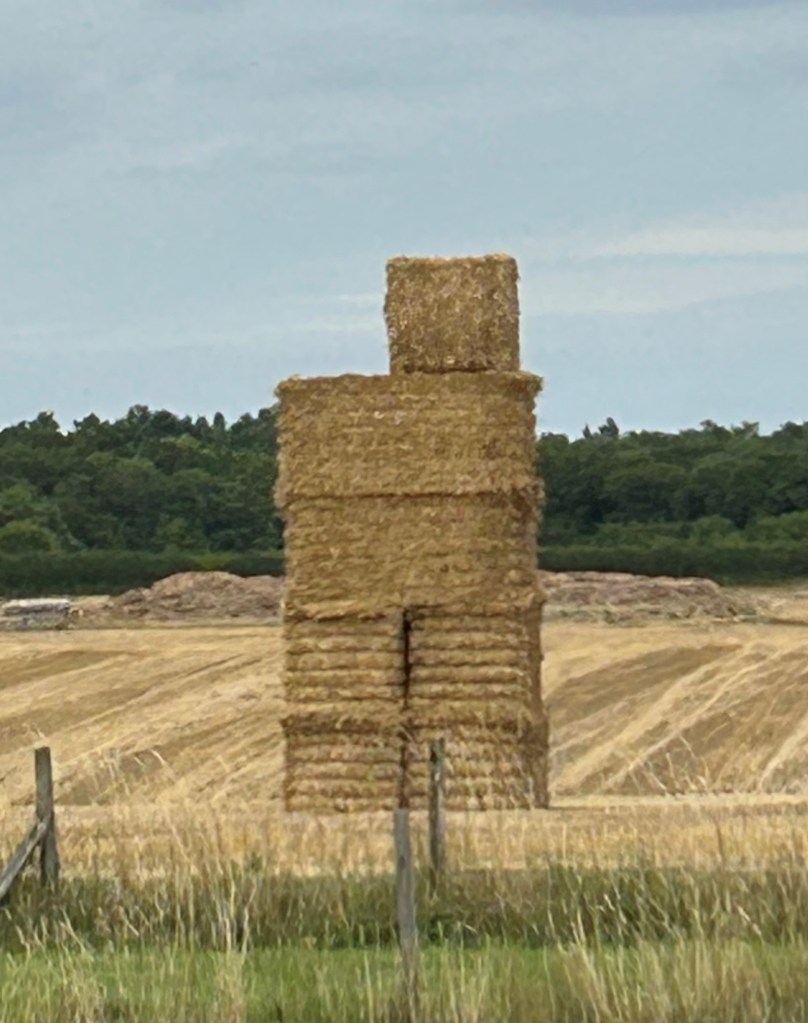
Autumn is almost here. The combine has been busy into the small hours. The crop has been gathered in and the field is being prepared for the next sewing. So while watching the Olympics and checking the harvest of medals for countries, sports and individuals, a few insights resonate. They can be applied to business and life in general:
We live in a busy and highly competitive World. The pressure to perform in fifth or sixth gear ALL THE TIME seems to be universal. Sometimes driven by self and at other times by the perception that others expect us to demonstrate our capability.
But full on all the time isn’t real or achievable. Continuous top gear burns out people and machines.
We need to maintain and sustain our motors so that when we need to perform in top gear, we are in the best possible condition. This is true for people and machines. The solution may involve developing new strengths or releasing potential.
In a spectacular race against stiff competition, Noah Lyles won a gold medal and became the fastest man on Earth in the men’s 100 meter final on Sunday. Apparently he has been working on raising then calming his level of adrenalin before entering the blocks.
Swedish Pole Vaulter -Armand (Mondo) Duplantis provided a masterclass in the Olympic slogan ‘faster, higher, stronger’ with his higher and higher vaults, powered by an inner confidence and calm. The new World Record is 6.25 meters.
Keely Hodgkinson also demonstrated that same inner confidence and calm as she secured the Women’s 800 meter Gold medal .The third GB athlete to do so, 60 years after Ann Packer and 20 years after Dame Kelly Holmes.
Quiet moments of calm and reflection recharge our batteries and allow us space and time to be and to think before we focus on our performance and our prize.
Many alternative therapies designed to create healthy bodies and minds are based on a foundation of ‘rest before exertion.’ Each therapy has advocates. Some have a recognised body of research evidence.
Building a schedule which recognises which gear you expect to be in, creates realistic diaries. If you can link your gear requirements to your body clock, greater success can be achieved.
Surrounding yourself with the right support network clearly helps you find the right gear. As medalist after medalist thank their coaching team, family and wider supporters, their gratitude is engaging.
In the Velodrome, we watched the cohesive GB women’s cycling sprint team win Gold. Their story highlighted that each team member bought specific strengths and knew the strengths of their colleagues. They trusted each other. And before getting on the track, they spent time in the ‘quiet’ zone.
A last compelling message from Olympics 2024:
It’s not about producing a perfect performance. It’s about how quickly you recover from your mistakes.
So learning to anticipate and change gears smoothly is a strength to develop.





 Cutting Through the Grey