
A robust strategic process

Increased scrutiny by a range of interested stakeholders is prompting many boards to explore how robust their strategic process is. For listed entities, regulators require evidence of compliance and have extended their interest to incorporate a broader governance agenda. Positioned as good practice for all, the agenda has been tailored for large private companies into the Wates Principles. For public and third sector entities, standards bodies provide inspection regimes.

Investors expect to make informed choices and seek assurances that they have a true and fair picture of organisation performance and aspirations. Talent is attracted to organisations that clearly position their strategic intentions and report on their delivery. 

When health checking their strategic process, boards may choose to consider the following: 

Inputs – board intelligence 

Specification  – asking the right questions and requesting the exploration of alternatives.

Collation – triangulating sources to increase confidence and including big data and human intelligence. 

Clarity – ensuring that assumptions are explicitly stated.

Process

Timing – building on the board rhythm. 

Urgency – determined by the level of dynamics in the wider world and market places

Order – sequencing activities to recognise appropriate involvement and sustain focus and momentum through time.

Involvement – building engagement through conversations between horizon scanners and those with operational insight. Ensuring respect for different perspectives and perceptions. 

Outputs – decision and tracking 

Aspiration – developing a storyline to explain the journey to the future.

Evidence – showing how decisions have been arrived at.

Metrics – choosing the few lead strategic metrics which will clearly show progress and behaviour.

Most critically, a robust strategic process requires the commitment of all members of the board and the teams who enable them to govern effectively. It takes time to align individuals and build common purpose. Failing to ensure that alignment before health checking your process will deliver flawed results.


True ‘Customer’ insight

True ‘customer’ insight  is a hot topic around boardroom tables, but often subsequent to a review of financial performance.  Strategic thinking involves understanding the perceptions and intentions of many stakeholder groups in order to create value propositions and engagement strategies. Failure to deliver perceived value to ‘customers’ tends to negatively impact the ability to deliver value to any other group of stakeholders. 

Who is the customer?

The first challenging question.  Determining who you want to provide value to may involve modifying the market segments you target. Identifying the customers you don’t want to serve is also critical. Consider inviting these elegant but invasive Green Parakeets into your garden and watch the small birds leave.

Who knows?

Decisions on who to target need to be informed by evidence so critical questions include ‘ how can we hear our customers first hand? And ‘who knows the history, perceptions and intentions of each customer?’

Who listens?

Consultancies and academic researchers have advocated an increased exposure of executive committees and boards to customers who reinforce organisational beliefs AND those that challenge assumptions. Listening to perceptions first hand can be educational but also uncomfortable.

Boundary workers with unique insights to share need to be invited to speak directly to strategic decision makers and supplement the real voices of customers. The voices of those who know may be filtered out before they reach the boardroom. 

Reliance on Big Data without the addition of human intelligence can lead to misinformed strategic decision making. Sifting messages from noise and recognising patterns is a critical board competence. 

Creating opportunities to listen to customers and boundary workers may require ‘Leading by Wandering About’ as opposed to MBWA (Managing by Wandering About). Physical and virtual wandering about are habits cultivated by effective directors and enabled by governance professionals.

What happens 

If you engage in conversations with customers, you build an expectation that change will happen. You also build an expectation that the conversation will continue. This presents challenges in establishing who is responsible and accountable for deciding and delivering changes and how performance and perception of value delivery will be monitored. 

Ensuring that change is visible and supported by necessary hard wiring and soft wiring of your organisation involves adopting systems thinking, understanding the inter-connectivity of all parts of your organisation.

Establishing which stakeholders are consulted before strategic decisions are taken and which stakeholders are informed after decisions are made, provides the foundation for an effective engagement strategy. 

So now after a year of courting a charm of Goldfinches to our garden, I am off to persuade the Green Parakeets to move on.

The Brand/Reality gap

Teflon leaders. Toxic cultures. Tribal behaviour.

Trust dissipates. Reputations tumble. Performance in trouble. 

But how long does the impact last and are lessons learnt to prevent repetition? 

Regulation and legislation may be a blunt and slow instrument for dealing with systemic dysfunction. 

New leaders emerge to deal with the mess, and so we go on. 

Self interest and the loss of contact with reality seem to define so many stories. 

Board dynamics – a reality check

The sun-drenched weeks of Summer provided me with an opportunity for reading and reflecting. One recurrent theme was underpinned by client approaches from a variety of sectors and territories. Our conversations highlighted the need for realistic expectations, pragmatism and commitment. They went something like this:

We need to change the way our Board behaves.’

‘What behaviour would you like to change?’

‘Why do you behave in that way?’

‘Who has noticed the behaviour and its impact?’

‘Who agrees that it needs to change?’

‘Who wants to make it change?’

Our board doesn’t share a common philosophy or agenda.’

‘What governance processes do you have in place?’

‘How can you identify individual Board member motivations?’

‘How can you present evidence of differences effectively?’

‘How can you develop Board consensus on the organisation’s purpose, aspirations and beliefs

How can you develop the commitment to change?’

We need to do it now because….’

‘What has triggered this urgency?’

‘How much time and effort are you prepared to invest?’

‘How can you build on the existing Board schedule?’

‘How long will it really take?’

‘How can you monitor improvements?’

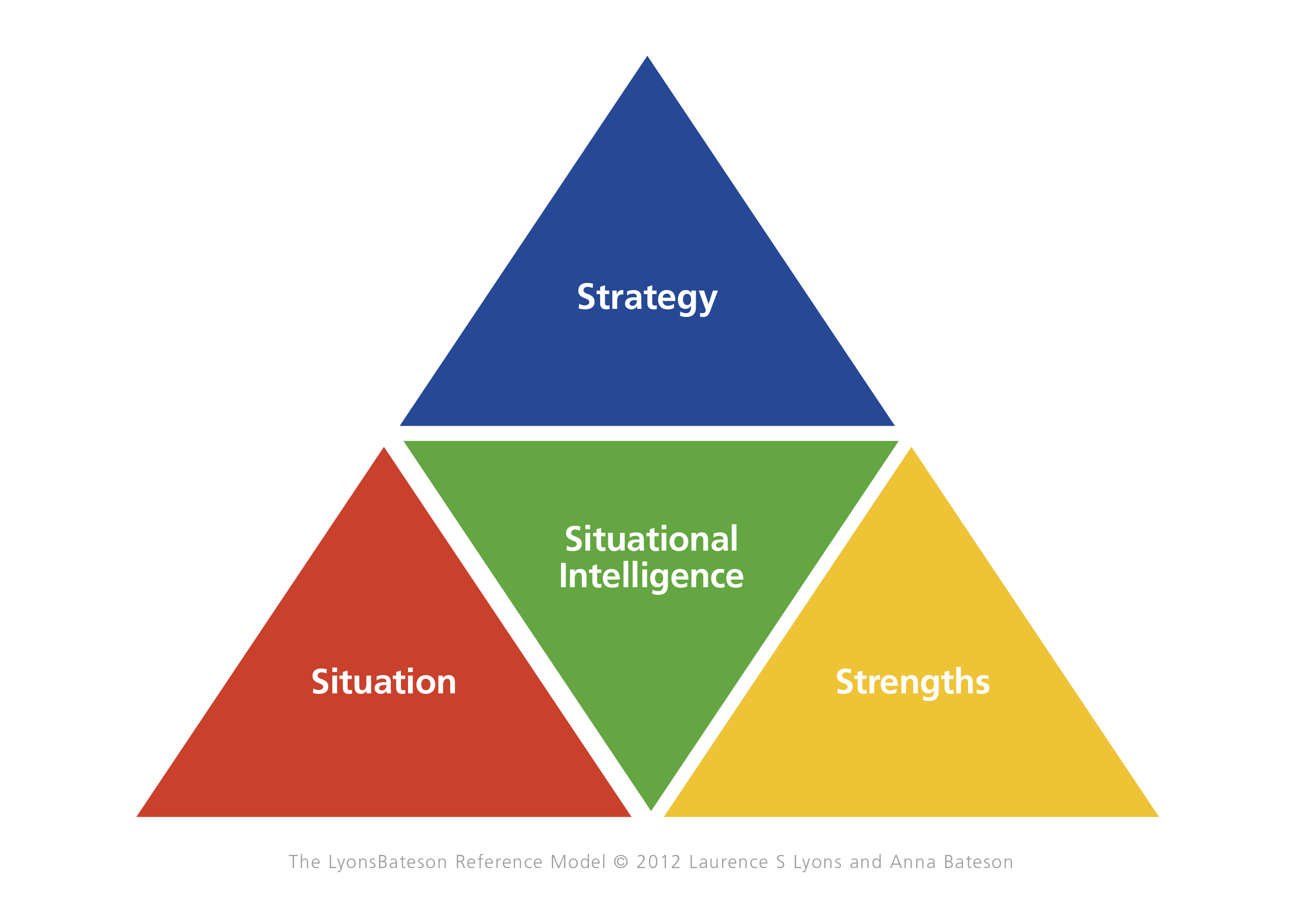
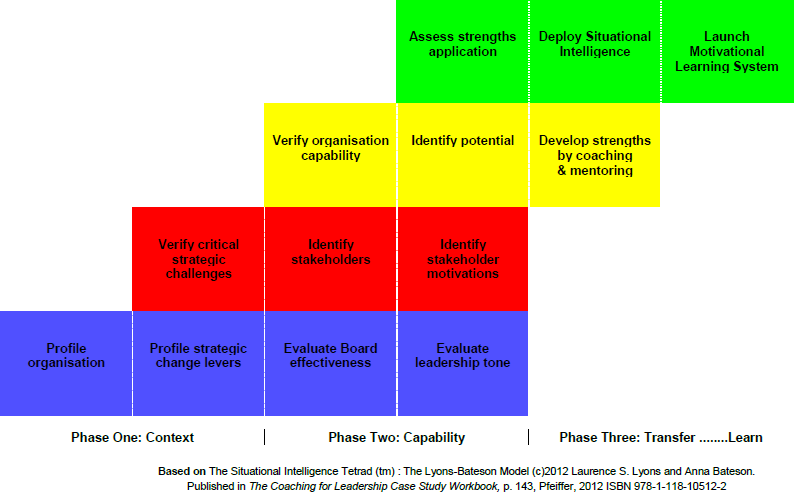
And the result: Situationally Intelligent programme plans with an increased chance of success.

Lyons Bateson Reference Model.jpg

Board effectiveness is about asking the right questions

Board effectiveness involves asking the right questions. Over the last quarter, my conversations with directors and governance professionals have raised and explored many common themes. It is interesting to note that most are not specific to geography, sector or ownership. It is also true that most of these indicative questions require reflection and thoughtful consideration rather than an instant response.

Board remit. ‘What are we here for?’ ‘Do we agree?’ Do we have a common purpose?’  ‘How do we create value?’ How brave do we feel?’ ‘How far into the future do we want to look?’

Board structure & composition. ‘Are we fit for the future?’ ‘How should we organise ourselves?’

Time. ‘How much time do we need?’ ‘How much time have we got?’ How can we schedule our time together to deliver our remit?

Support. ‘What support do we need?’ ‘Have we invested in our governance team?’ ‘Who should provide external expertise?’ ‘Do we already have this expertise internally?’

Scrutiny. ‘What do our stakeholders expect?’ ‘What standards do we hold ourselves to?’ Who is watching?’ ‘Are we compliant?’ Do we understand how to engage in a digital world?’

Liability. ‘How could we, the board, be affected by our decisions, our actions and the results we achieve?’ ‘How could I be affected?’

Capability. ‘What capability do we need to lead our business now and in the future?’ ‘What contribution could I make?’ ‘What capability do we need to develop?’

Board intelligence. ‘What should we be asking the business?’ What format would help us analyse and synthesise the board intelligence?’ ‘How can we ensure the quality and timeliness of the intelligence presented to us?’ ‘How can we balance our need for concise board papers with a need for comprehensive evidence on which to base our strategic decisions?’

Board dynamics. ‘How should we all behave?’ ‘How do we behave?’ ‘What tone have we created as leaders of the business?’ ‘What environment have we created in the boardroom?’ ‘How well do we listen to others?’ ‘How effective is our strategic decision making?’

Board health. ‘How do we know whether we are healthy?’ ‘What do we think?’ ‘What do others think?’ ‘How do we intend improving our health?’ ‘How will we know if we have made any of those improvements?’ ‘Who will hold us to account?’

Investing in reflection, discussion and synthesis of insights helps to build a common agenda.

Non-Executive Director – insights

Recent discussions with experts and practitioners provide pragmatic advice for clients and candidates:

The opportunity

Client advice:

1. Take succession seriously.

2. Think carefully about what you need to make you ‘fit for the future.’

3. Prepare your role and person specifications thoughtfully – don’t create in your own image.

4. Pick the head-hunter not the firm.

Candidate advice:

1. Establish your personal risk appetite.

2. Get on the radar of the sectors/organisations you are interested in and the people who can open doors – public and third sector advertise but private sector opportunities are not always transparent.

3. Pick carefully – conduct due diligence on the board, chairman and organisation. Identify ownership, board structure, composition, processes and dynamics.

4. Find people to endorse you so that you get through the initial sift.

The selection

Client advice:

1. Schedule search and selection realistically

2. Build on your board rhythm to take advantage of existing events and access to key decision makers.

3. Respect all candidates – they will share their experience.

Candidate advice:

1. Research and prepare properly – currency is important.

2. Position your capability against the specification.

3. Experience board dynamics in action – how do the Chairman and Chief Executive interact?

The transition

Chairman and new NED advice:

1. Tailor on-boarding processes to meet the individual’s need.

2. Ensure meetings with all board members and senior managers before the first formal event.

    3. Establish how the new NED can best add value and share insights and expertise.

    The price of agility

    According to thought leader Dr Laurence Lyons:

    ‘The price of agility is under-utilisation.’

    Agile – Alert – Nimble – Sprightly, highly desirable characteristics. Being agile is the aspirational goal of most business leaders, but it comes at a cost.  

    How do you resource the need to deliver value to your existing customers with the need to be continuously curious and quick to spot opportunities.

    ‘How do you factor in the fat which makes you fit?’

    Who keeps the wheels on the car? How do you ensure that the business as usual team don’t feel under valued as the development team are commissioned to seek new and novel solutions?

    How do you ensure that insights from the people working with your customers reach strategic thinkers and inform their decision making?

    How do you create a culture where reflection time is valued, where the time and inclination to innovate are actively encouraged?

    And how do you achieve all the above if the message you send is ‘do more with less?’

    Board bravery

    Board Bravery/Risk Appetite/ Intrapreneurship/Entrepreneurship is largely determined by the nature and composition of the Board and the ownership of the business. 

    Business leaders answer a hierarchy of questions:

    How brave do we want to be?

    – How much are we willing to invest in the new?

    – How long before we need to show a return on that investment?

    Who decides how long we have got before we show that return?

    Instant, global connectivity and viral messaging have raised the stakes for setting appropriate Risk Appetite levels and taking the right strategic decisions.

    Sitting around the Board table, long serving Board members may share sage stories of what happened when brave decisions were taken and things went wrong. A quick review of organizational history may provide a lesson in sacrifice or who fell on their sword and why. 

    Refreshing the Board may promote or inhibit bravery. The lack of legacy baggage carried by new Board members has the potential to increase risk appetite. Alternatively, new entrants may have been recruited to help steady a ship, out of control. 

    Each individual director will have a level of natural bravery, determined by the sum of their experiences. Around every Board table, perceptions differ and the richness of debate is essential. Members of a high performance Board will openly share their individual perspectives in order to arrive at a collaborative response to the question of Board bravery.

    To quote one experienced headhunter “What some directors regard as breakthrough technology can be described by their colleagues as disruptive technology.”